Hardware advice ages badly because it is usually written as a parts list. A better approach is a priority order, which stays true across generations. Fix the bottleneck you actually have, then re-measure.
Priority order for most players
- A display that matches your GPU. A 144 Hz 1080p panel transforms perceived smoothness more than a GPU tier jump at 60 Hz.
- Storage. An NVMe drive removes load screens and texture pop-in that people blame on the GPU.
- Memory capacity before memory speed. Running out of RAM causes stutter; slightly slower RAM does not.
- GPU, chosen for your resolution rather than for benchmarks at resolutions you never use.
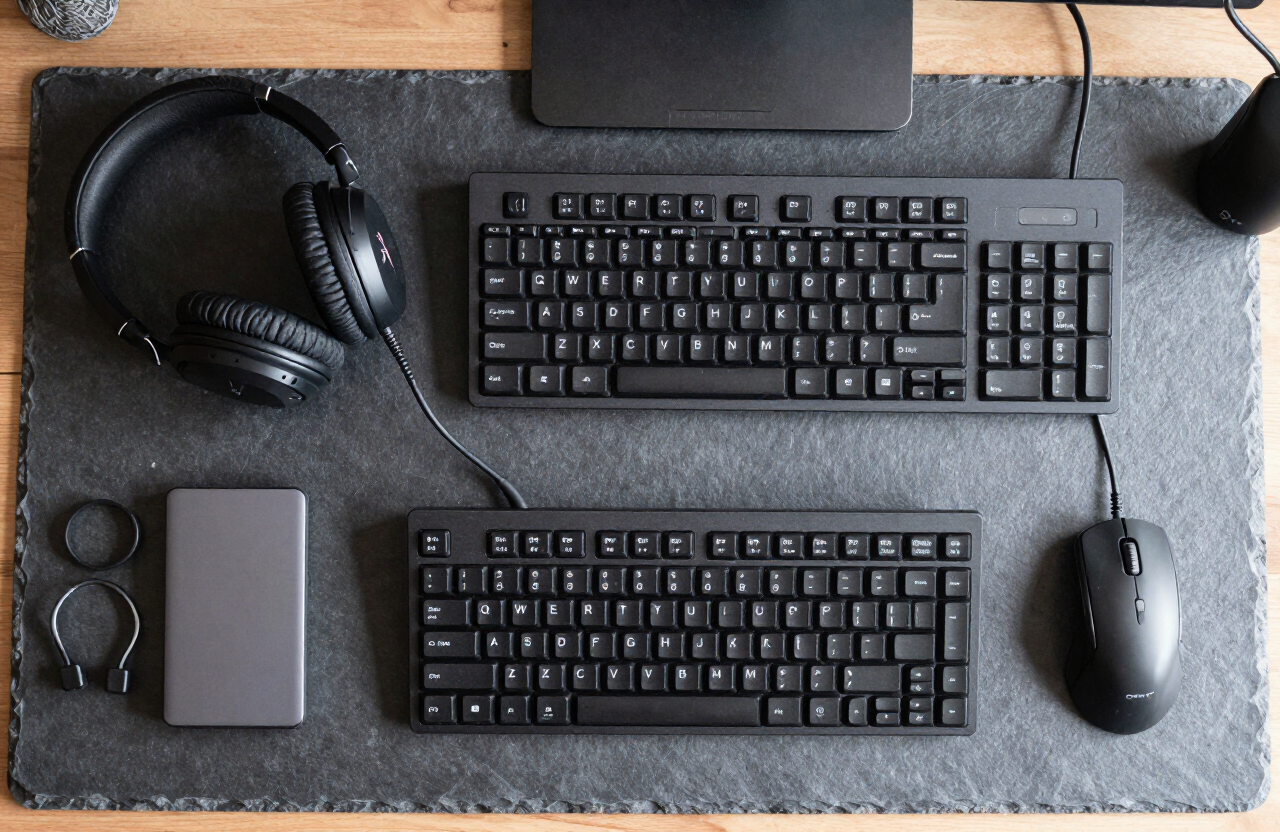
- Audio. A modest headset with accurate positional sound beats an expensive one tuned for bass.
Measure before you buy
Frame rate alone hides the problem. Watch frame time consistency and 1% lows: a game averaging 90 fps with 40 ms spikes feels far worse than a steady 70 fps. Most platforms include an overlay that reports this; use it for a week before spending.
Thermals are a performance feature. A clean filter and one extra intake fan often recover more sustained frame rate than a component upgrade.
Upgrades that rarely earn their price
- High-polling-rate mice beyond 1000 Hz for non-competitive play.
- Premium thermal paste over a competent standard compound.
- RGB-heavy memory kits sold at a premium over identical timings.
- 4K panels paired with a mid-range GPU, which forces upscaling anyway.
Ergonomics outlast components
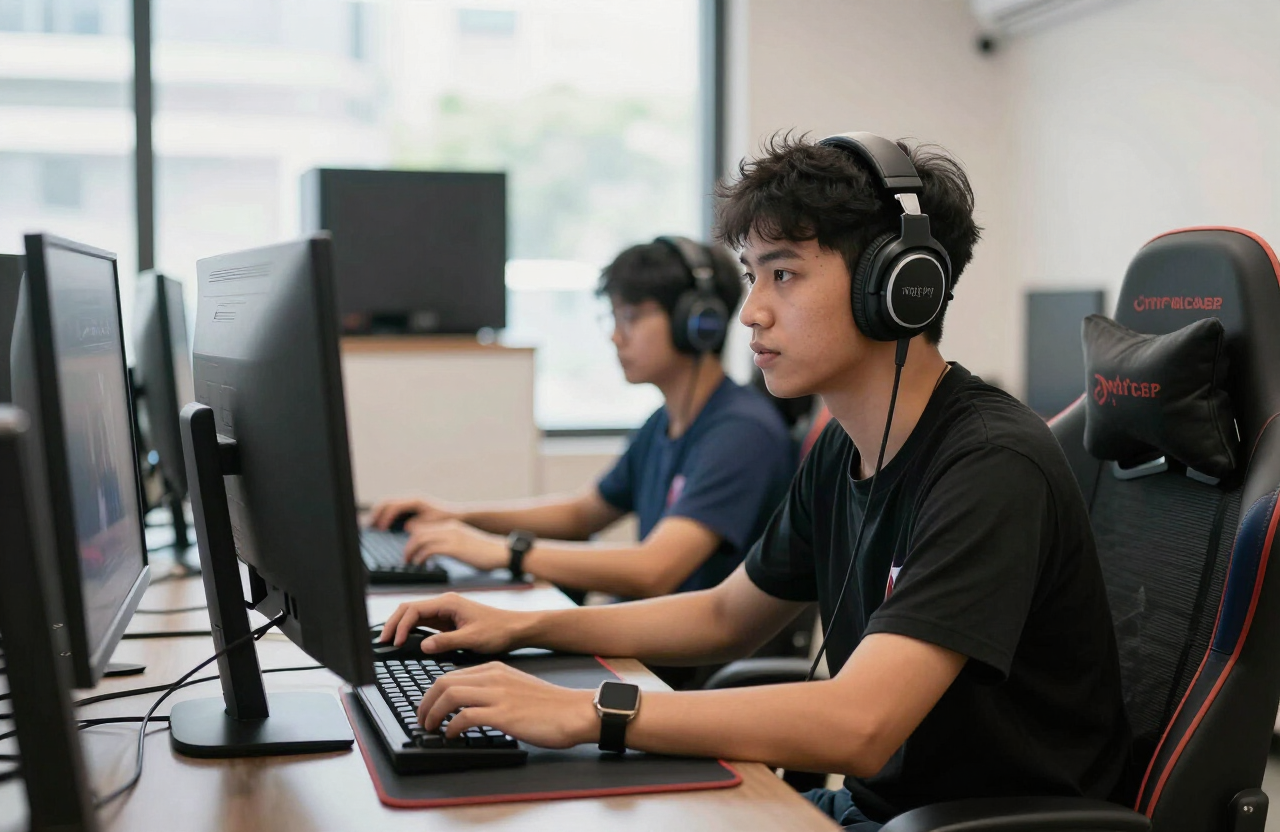
Chair height, desk depth, monitor distance and wrist angle affect how long you can play comfortably, and they do not become obsolete in three years. It is the least exciting spending in this hobby and the most durable.
Frequently asked questions
No, but budget for thermal reality: sustained performance is lower than peak benchmarks, and a cooling stand plus a repaste after a few years meaningfully extends its life.
For current titles, 16 GB is a workable floor and 32 GB is comfortable if you stream or keep a browser open with many tabs while playing.