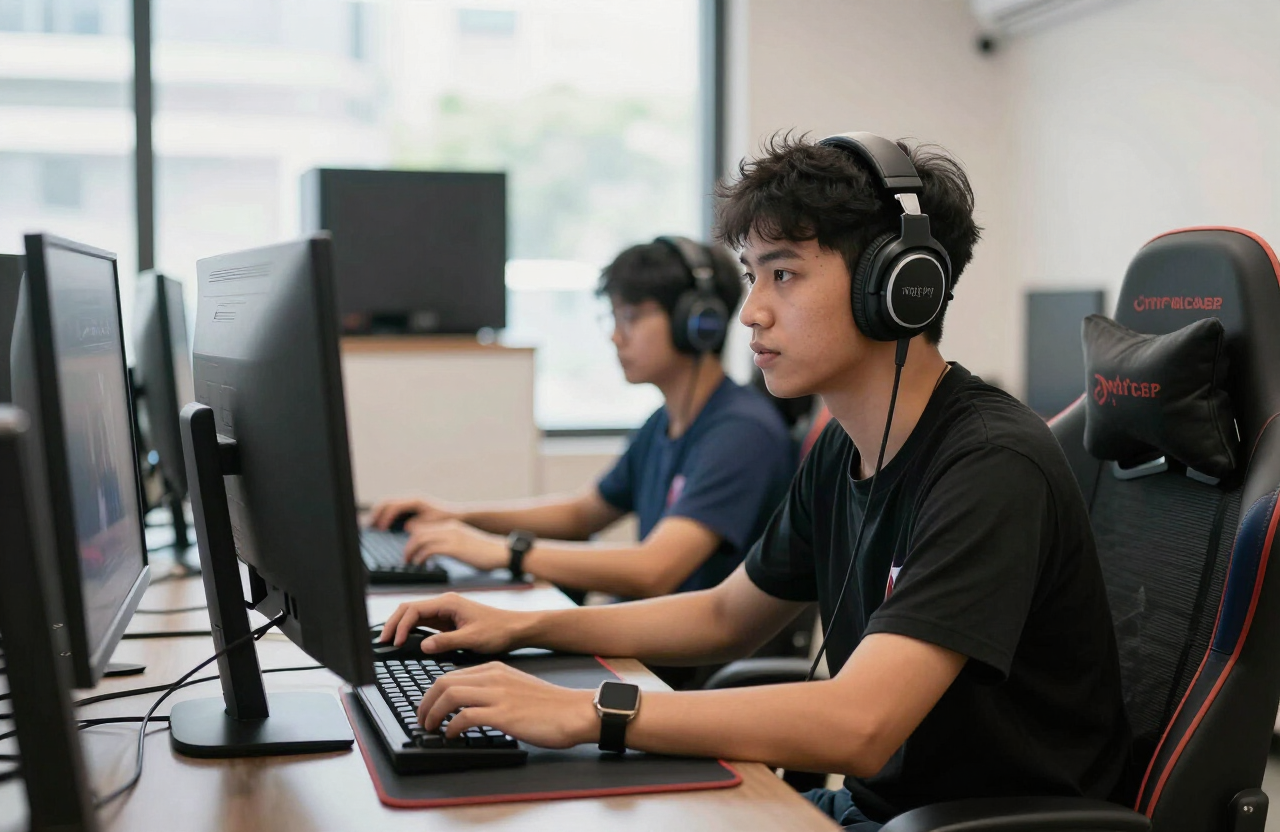
Responsible gaming is not a warning label; it is a set of defaults you configure once so that willpower is not required at 1 a.m. The players with the healthiest relationship to the hobby are rarely the most disciplined. They are the ones whose systems make the healthy choice the easy one.
Set three budgets, not one
- Time: decide session length before you start, and use a device alarm rather than in-game clocks.
- Money: fund a prepaid wallet monthly instead of storing a card on the account.
- Attention: keep at least one weekday evening with no scheduled online commitments.
Design your environment
Remove saved payment methods. Turn off purchase confirmations that only require one tap. Log out of the storefront on your phone. These sound trivial and they are exactly why they work: they add friction at the moment when friction helps.
Warning signs worth taking seriously
- Playing to escape a specific feeling rather than to enjoy the game itself.
- Hiding session length or spending from people close to you.
- Chasing losses in monetised systems, or spending money set aside for something else.
- Sleep, work or study consistently losing to a schedule set by other players.
If any of those describe your last month, national helplines and health services offer free, confidential support. This site is educational and is not a substitute for professional advice.
Helping someone else
Curiosity works better than confrontation. Ask what the game gives them that the rest of the week does not. The answer usually reveals whether the problem is the game or something the game is covering for.
Frequently asked questions
There is no universal number. The useful test is displacement: whether play is consistently taking the place of sleep, work, study or relationships you say matter to you.
Yes, particularly prepaid limits set in advance. The effect comes from removing the frictionless purchase, not from the number itself.